
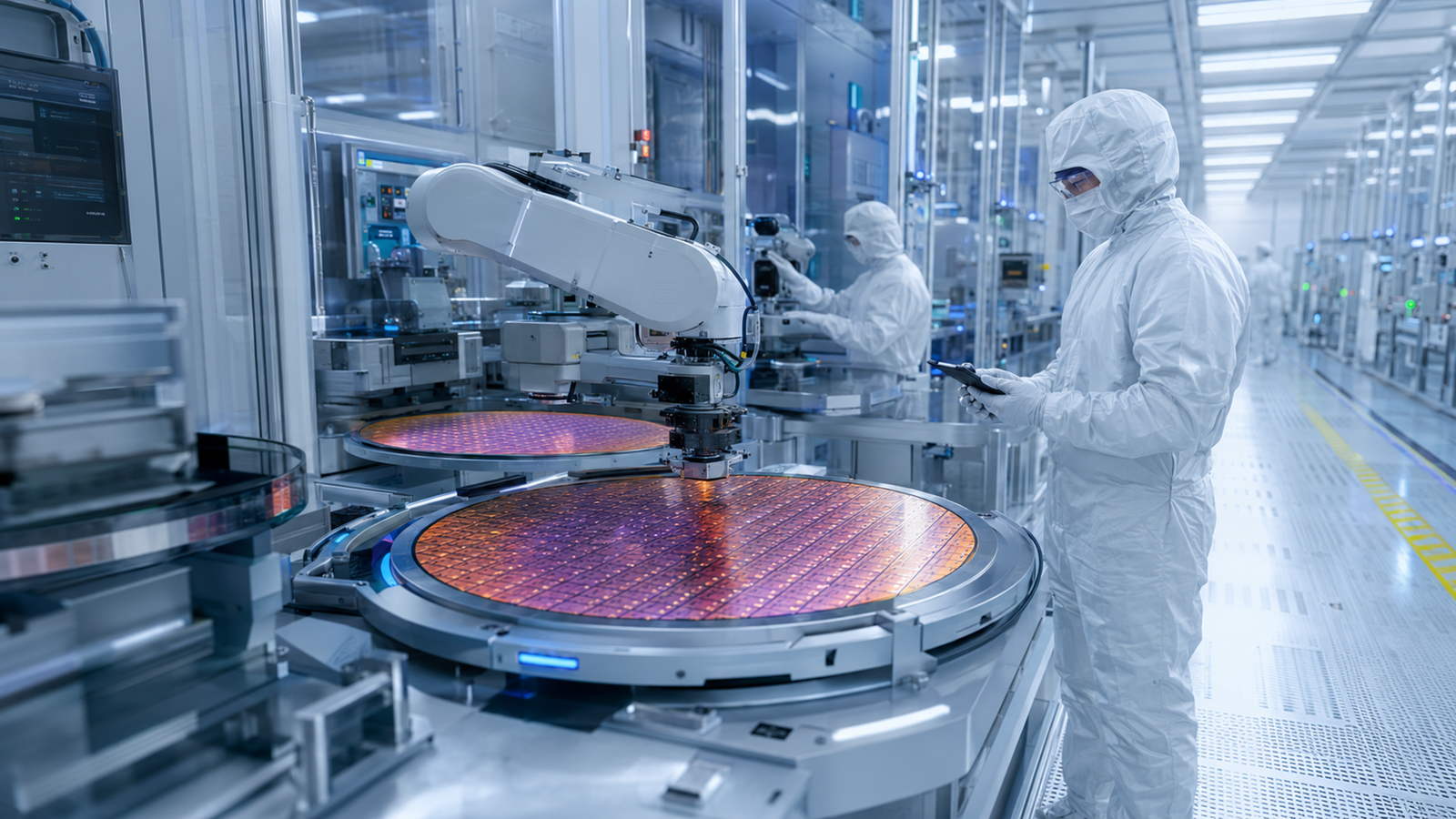
Samsung Electronics reported record quarterly results as demand for memory chips used in artificial-intelligence data centres transformed the economics of the global semiconductor industry.
The South Korean company reported second-quarter operating profit of roughly 89.5 trillion won, about $62 billion, while revenue reached approximately 171.5 trillion won. Its semiconductor business supplied the overwhelming share of the gains.
Long-term supply deals
Samsung said it has secured multi-year agreements with major data-centre operators and is negotiating additional contracts. The arrangements include price protections and upfront commitments intended to reduce the sharp boom-and-bust cycles historically associated with memory chips.
The company expects tight supply to persist as cloud providers expand infrastructure for generative AI. Samsung is also investing in new fabrication capacity, including facilities in Texas and a major chip-manufacturing hub in South Korea.
Not every division benefits
Higher memory prices are creating pressure elsewhere. Samsung’s mobile division recorded a loss as expensive components squeezed margins, illustrating how the AI-driven chip boom is producing winners and costs inside the same company.
Investors remain cautious about the vast capital spending required to build additional capacity and about competition from SK Hynix and Chinese producers. Samsung shares slipped despite the record figures.
Based on Samsung results and reporting by Reuters and Associated Press. Feature image: editorial reconstruction.
Sources: Reuters; Associated Press.