
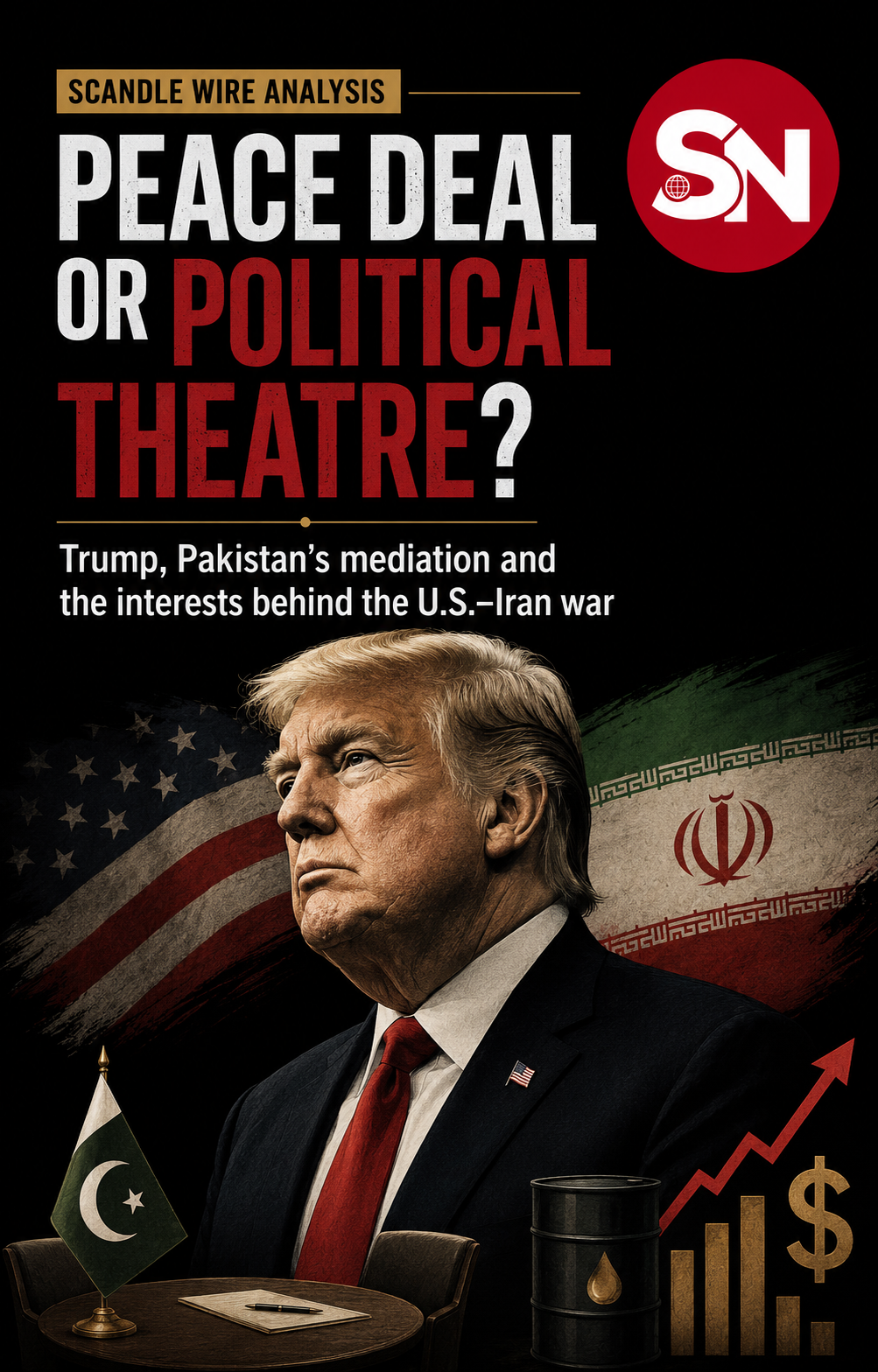
Donald Trump may soon have an opportunity to tell Americans that he stopped another war. But as of 21 July, there is no new signed U.S.–Iran peace agreement. Iran is reviewing a proposal for a 10-day ceasefire presented through regional mediators including Pakistan, while attacks, shipping disruption and threats to energy routes continue.
That distinction matters. A proposal is not a settlement, and a temporary pause is not the same as resolving the disputes that produced the conflict. The new plan is intended to stop the fighting, reopen shipping lanes through the Strait of Hormuz and create space to revive an earlier memorandum between Washington and Tehran. Whether either government will accept and honour it remains uncertain.
Pakistan’s role is more accurately described as mediation than obedience to Washington. Islamabad has maintained channels with both sides and has an immediate interest in preventing a wider regional war. Pakistan faces exposure to expensive imported energy, disrupted trade and instability near its western border. Helping to secure a truce would serve Pakistan’s own national interests, even while its relationship with Washington creates questions about influence and leverage.
Trump nevertheless has a powerful political incentive to present any pause as a personal victory. The conflict has increased pressure on energy markets and American consumers, while casualties and the lack of a clear exit strategy create risks ahead of the U.S. midterm elections. A ceasefire announcement could allow the White House to shift the story from escalation to deal-making.
This is where public scepticism deserves attention. A familiar political pattern is visible: leaders embrace military pressure, describe the resulting crisis as unavoidable, and then claim exceptional credit when diplomacy restores part of the stability that existed before the escalation. Voters should judge the result against the full human and economic cost—not only the final announcement.
The claim that a single hidden lobby planned the war and has now won everything cannot be presented as established fact without evidence. What can be documented is that wars produce winners as well as losers. Defence contractors can benefit from expanded military demand. Energy producers and traders may gain from higher prices and volatility. Political leaders can use wartime leadership and peace announcements to mobilise supporters. None of those incentives alone proves coordination, but all deserve scrutiny.
For households around the world, the consequences are less abstract. Brent crude has traded around or above $90 a barrel as threats to the Strait of Hormuz and the Red Sea raise fears about supply. Higher oil costs can move through transport, food production, electricity and consumer prices, worsening pressure on economies already struggling with inflation and debt.
The market response also complicates the idea that every powerful interest wants permanent war. Oil prices briefly softened when ceasefire hopes strengthened, then climbed again as fighting and shipping threats intensified. Different industries, governments and investors want different outcomes. The more defensible conclusion is not that one lobby controls every event, but that crisis creates opportunities for actors with money, access and political influence.
If Trump ultimately accepts a ceasefire and it holds, preventing further deaths would be valuable regardless of political motive. But a genuine success should be measured by durable results: an end to attacks, safe commercial shipping, credible nuclear and security negotiations, and economic relief that reaches ordinary people. A television declaration alone would not meet that test.
For now, the responsible headline is not that Trump has ended the war. It is that mediators, including Pakistan, are trying to produce another temporary opening while the conflict continues. Scandle Wire will separate confirmed developments from political claims and update this analysis if a formal agreement is announced.