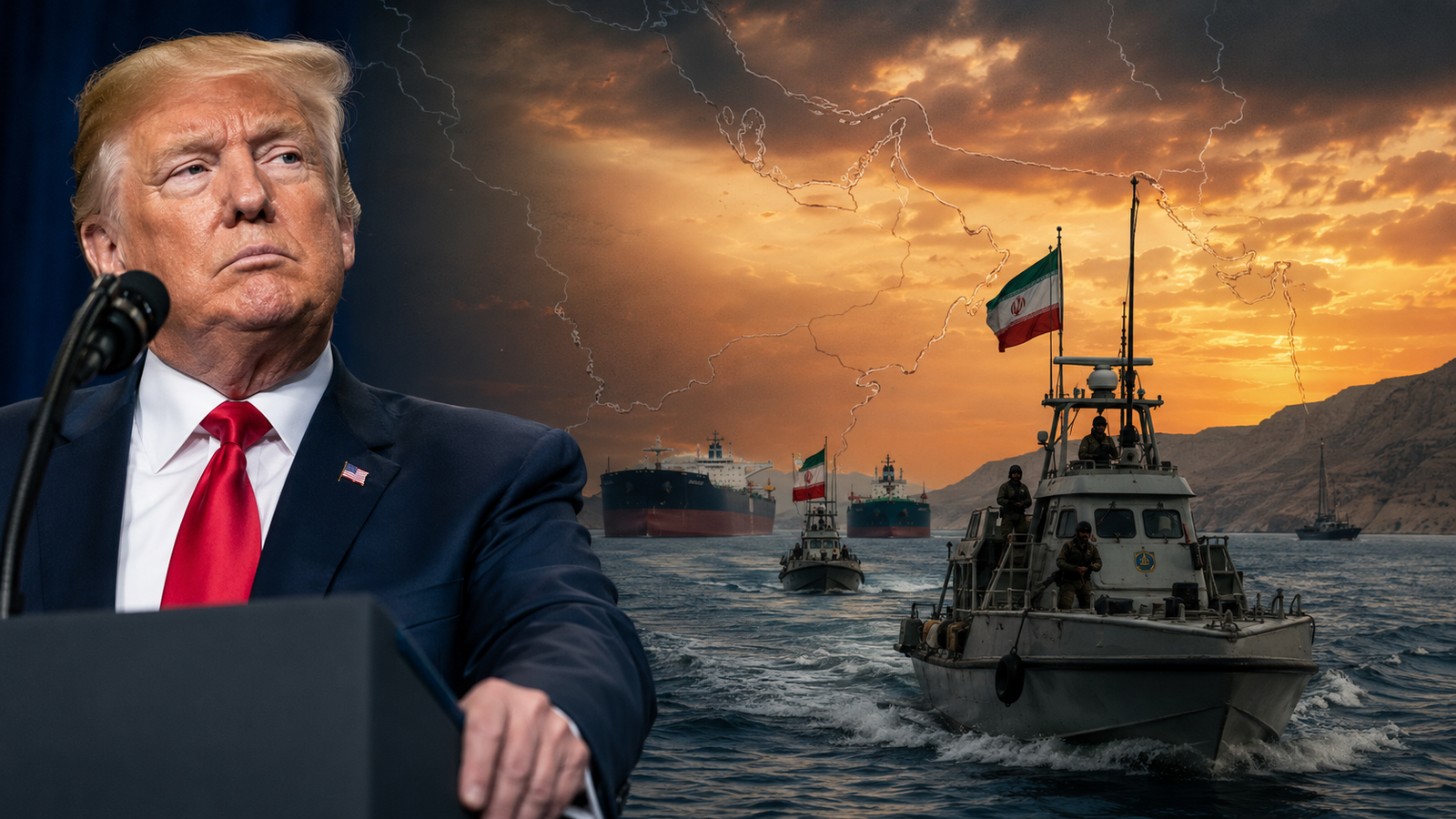
Iran says it remains in control of the Strait of Hormuz and is not seeking renewed peace talks with the United States, even after President Donald Trump halted a two-week bombing campaign and both sides paused attacks.
The statement exposes a sharp difference in how Washington and Tehran are describing the pause. U.S. officials have presented it as space for diplomacy, while Iran’s Foreign Ministry says Tehran has not requested negotiations and rejects reports suggesting otherwise.
A fragile pause after intense fighting
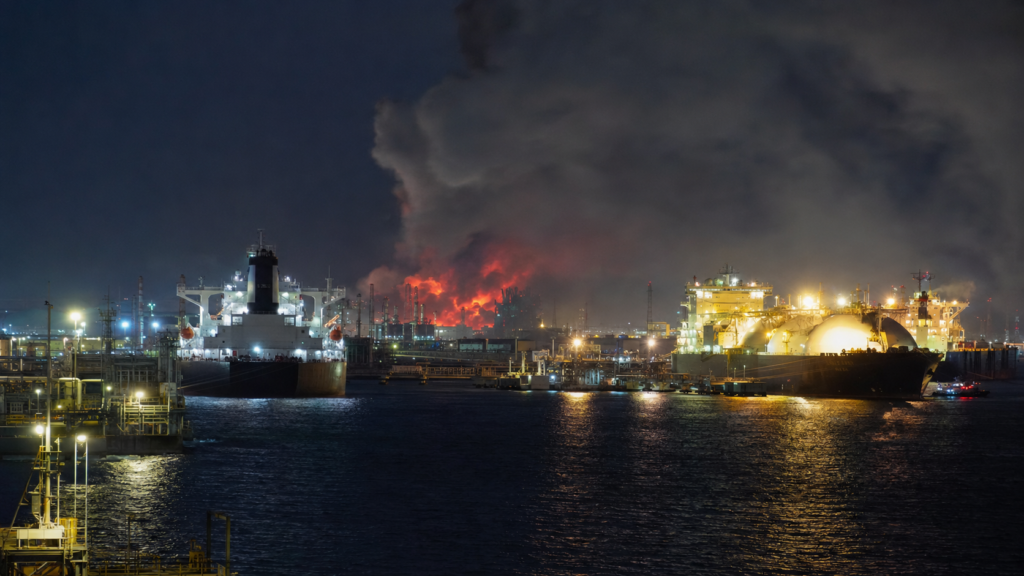
The U.S. bombing campaign lasted 13 consecutive nights and targeted Iranian military positions connected to the conflict over the strait. American officials told Trump that the operation had reached the limits of available targets and was placing pressure on air-defense supplies, according to Reuters.
Iran said it would suspend retaliatory strikes as long as the United States maintained its halt. That arrangement has reduced immediate violence, but it is not a signed ceasefire and includes no public verification mechanism.
Why the Strait of Hormuz matters
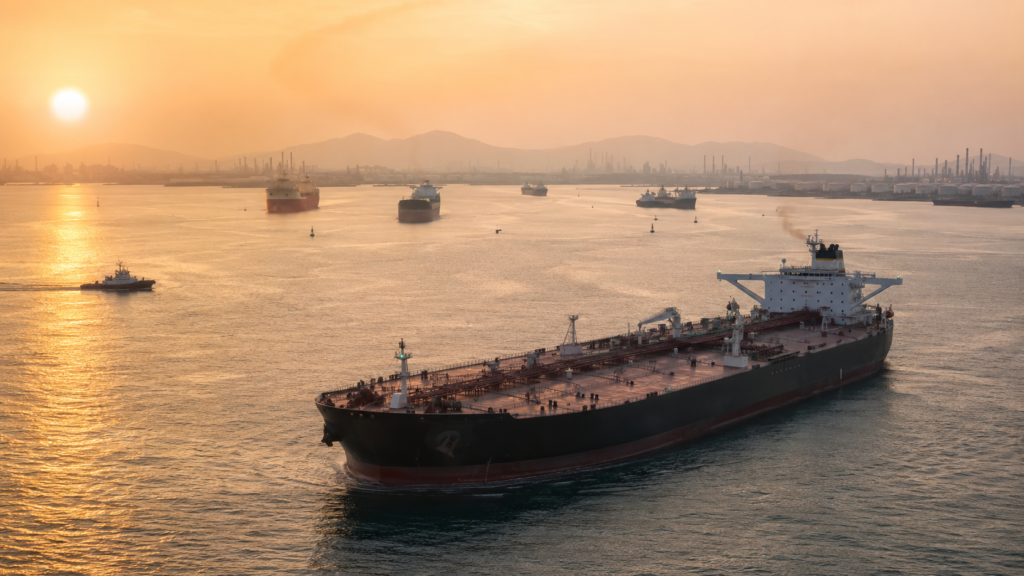
The narrow waterway connects Gulf energy producers with global markets and normally carries a major share of the world’s seaborne oil. Disruption has sharply reduced tanker traffic, contributing to higher transport costs and volatile energy prices.
Tehran says vessels must follow routes and rules under Iranian authority. It has reportedly turned back ships attempting passage without authorization and is seeking formal arrangements with Oman. Washington has resisted any claim that a single country can control international navigation through the strait.
Markets see hope, but risk remains
Oil prices fell sharply after the pause, while global shares rose. Traders interpreted the reduction in hostilities as a lower immediate threat to energy supplies. However, the market reaction could reverse if attacks resume or shipping remains restricted.
What to watch next
The key questions are whether tanker traffic returns, whether indirect diplomatic contacts emerge and whether both governments continue to observe the pause. Drone activity in the region and pressure on Red Sea shipping show that the broader security environment remains unstable.
For now, the bombing has stopped, but the political dispute over Hormuz, sanctions and Iran’s security demands remains unresolved.
Source: Reuters. Original Scandle Wire summary and analysis.