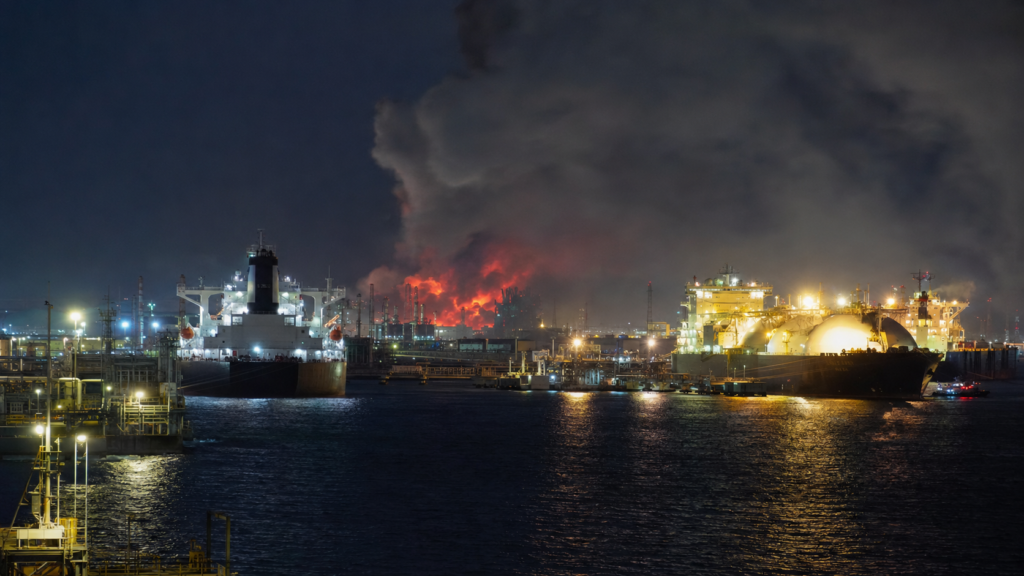
Oil prices rose for a second session after renewed U.S. strikes on Iranian targets revived fears of disruption across the Strait of Hormuz and other critical Middle East shipping routes.
Brent crude climbed above $91 a barrel while U.S. West Texas Intermediate traded near $85, according to Reuters. The move followed a U.S. operation targeting Iranian Revolutionary Guard facilities after attacks on American forces.
Markets focus on physical supply
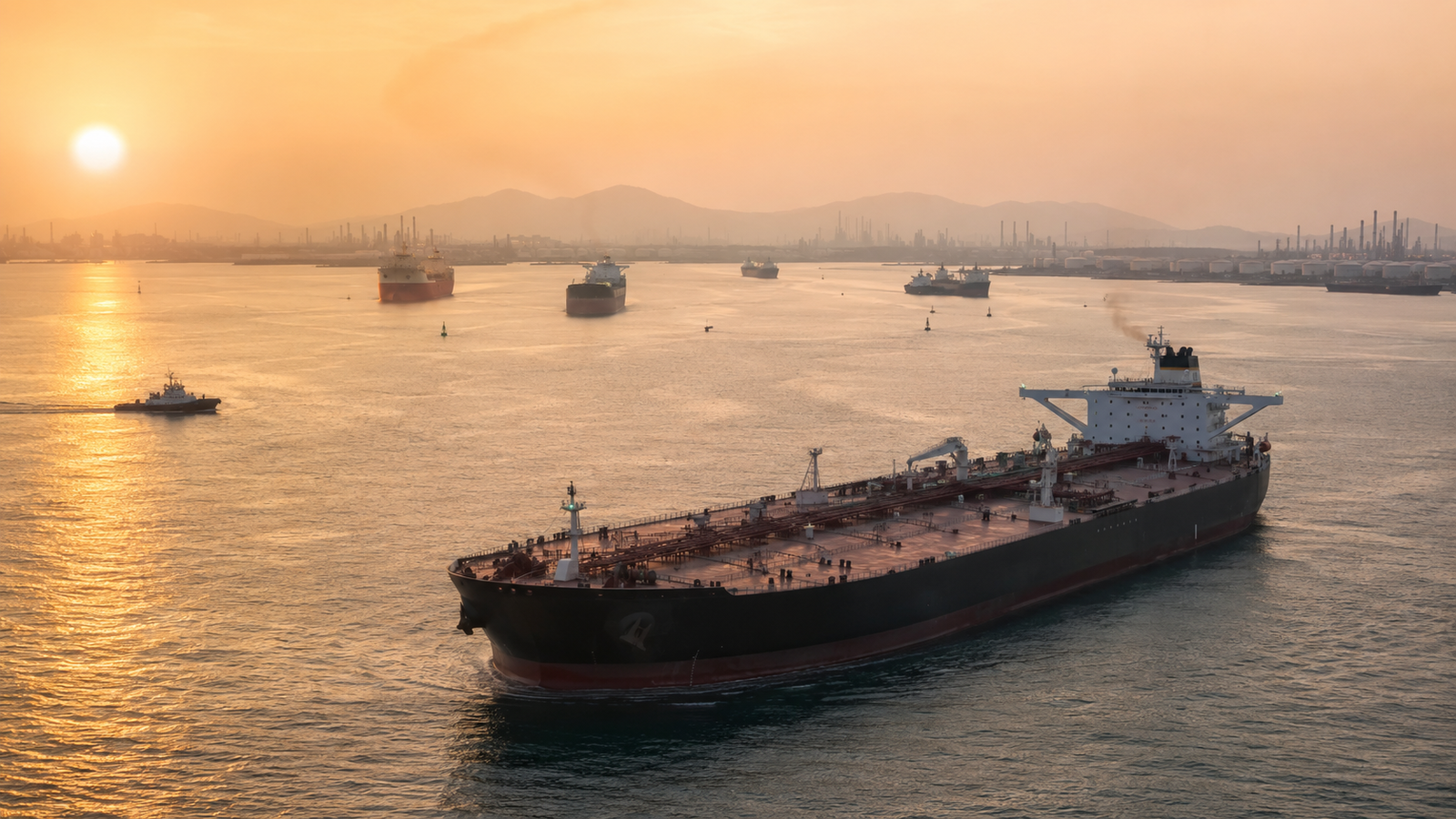
The Strait of Hormuz normally handles about one-fifth of global oil and gas flows. Traders are watching actual tanker movements closely because a sustained price surge would probably require longer-lasting disruption rather than threats alone.
A Qatari liquefied-natural-gas tanker was allowed to transit safely, offering limited reassurance. However, additional risks are building around the Red Sea, where Yemen’s Houthis have threatened new restrictions and possible fees on commercial shipping.
Multiple pressure points
Oil loadings through the Caspian Pipeline Consortium were also interrupted following a drone incident involving a tanker. The overlapping disruptions raise freight and insurance costs even when cargo continues moving.
Energy prices remain sensitive to military developments and diplomatic efforts involving Iran, Oman, Gulf governments and the United States. A prolonged rise would add inflation pressure worldwide.
Based on Reuters market reporting and official maritime updates. Feature image: editorial reconstruction.
Sources: Reuters; U.S. Energy Information Administration.