Global markets moved sharply on Monday after the United States and Iran paused military attacks, giving investors fresh hope that the latest Middle East escalation may be moving toward diplomacy.
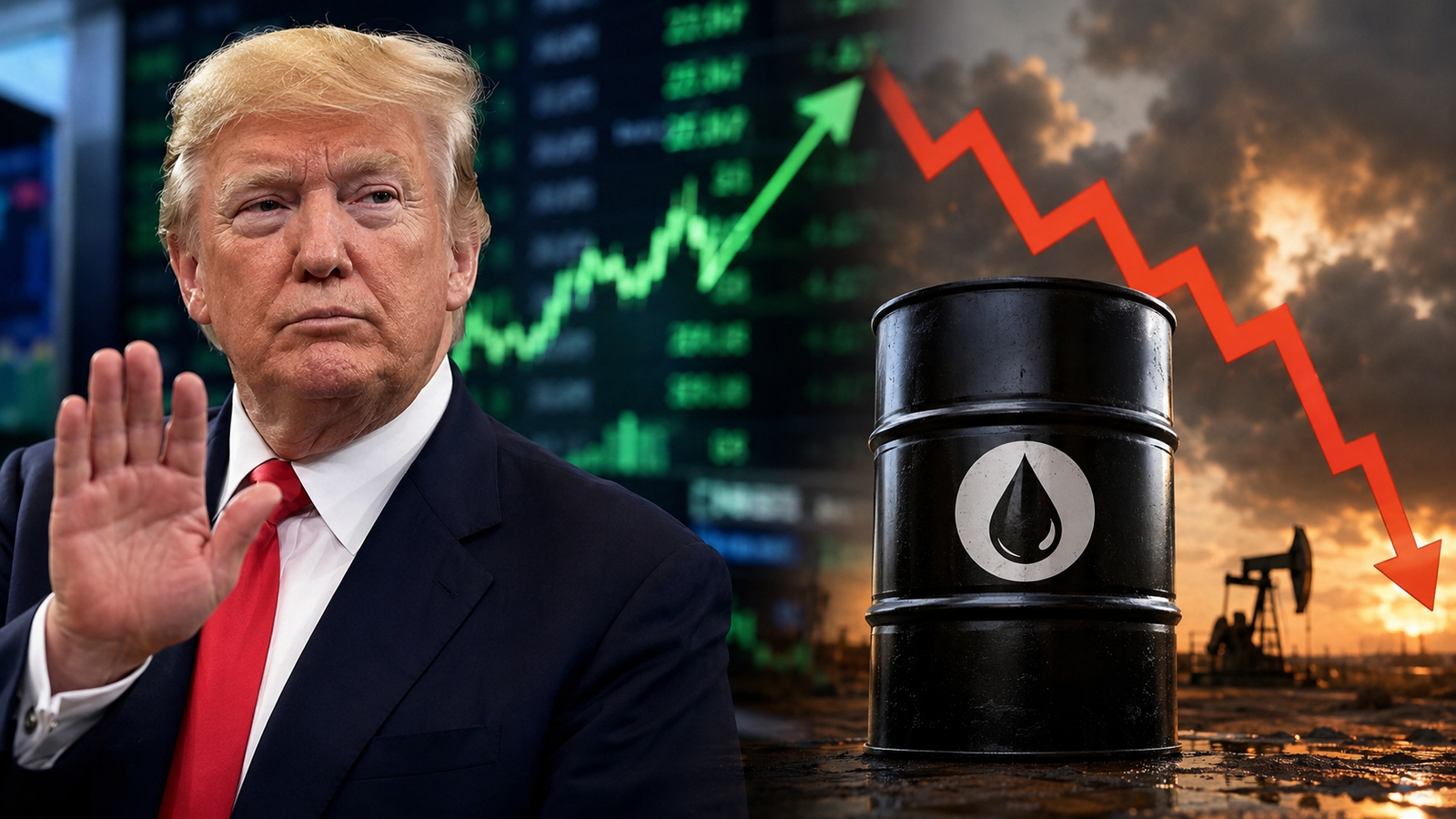
Brent crude fell about 7 percent to roughly $89 a barrel, while U.S. West Texas Intermediate dropped to around $83. The slide took oil to a one-week low after prices had climbed on fears that fighting could further restrict supplies moving through the Strait of Hormuz.
Why oil prices fell
The immediate trigger was President Donald Trump’s decision to pause U.S. bombing after nearly two weeks of strikes. Iran also said it would stop retaliatory attacks while the American pause remained in place. The reduced fighting lowered the market’s estimate of near-term supply risk, even though no formal ceasefire or lasting political agreement has been announced.
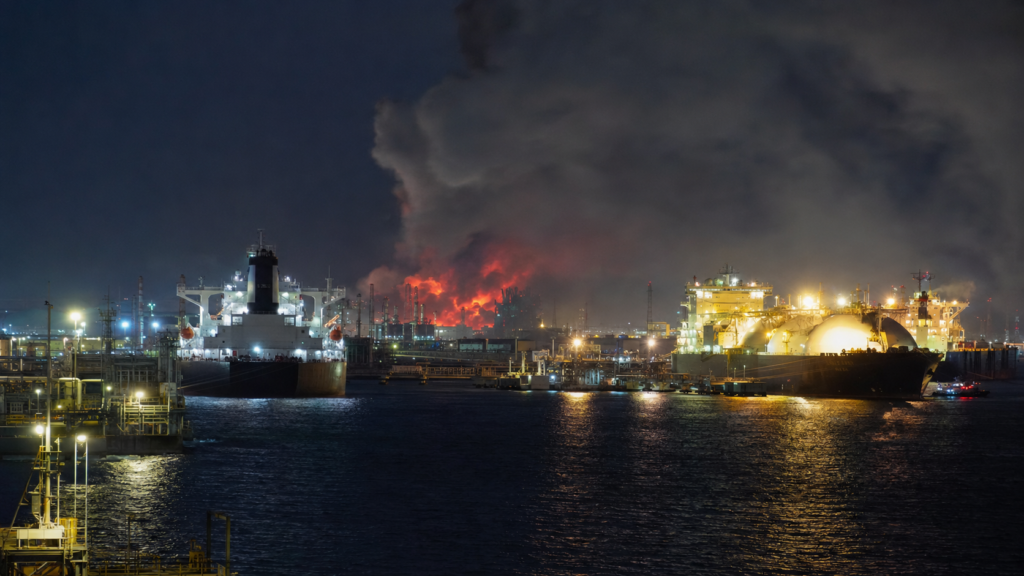
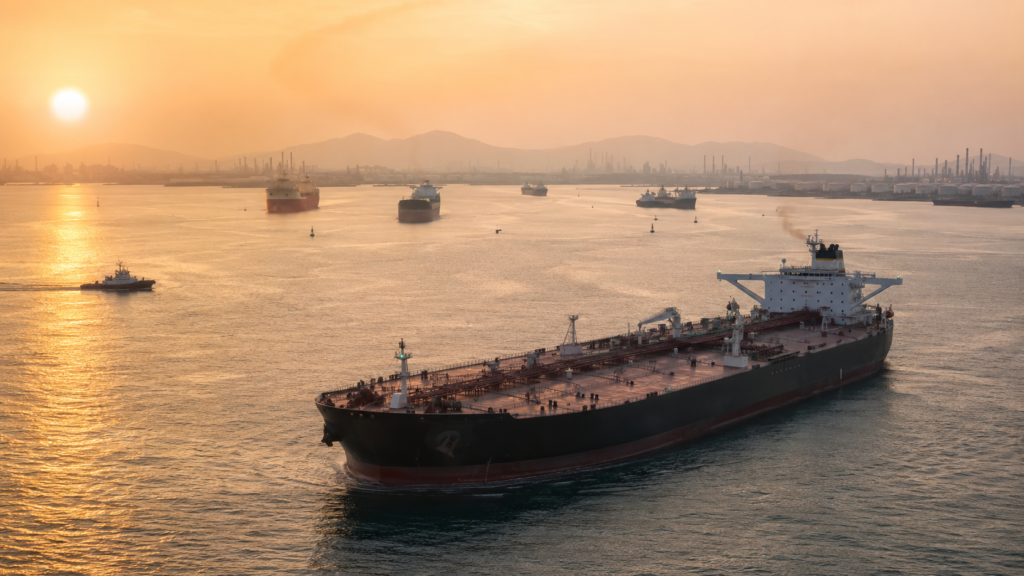
The Strait of Hormuz remains central to the story. It is one of the world’s most important energy corridors, and traffic has been running far below normal levels during the conflict. Any sustained reopening would ease pressure on buyers, refiners and shipping companies. However, traders remain cautious because Tehran says it still controls the waterway and because the terms of any future arrangement remain unclear.
Stocks respond with relief
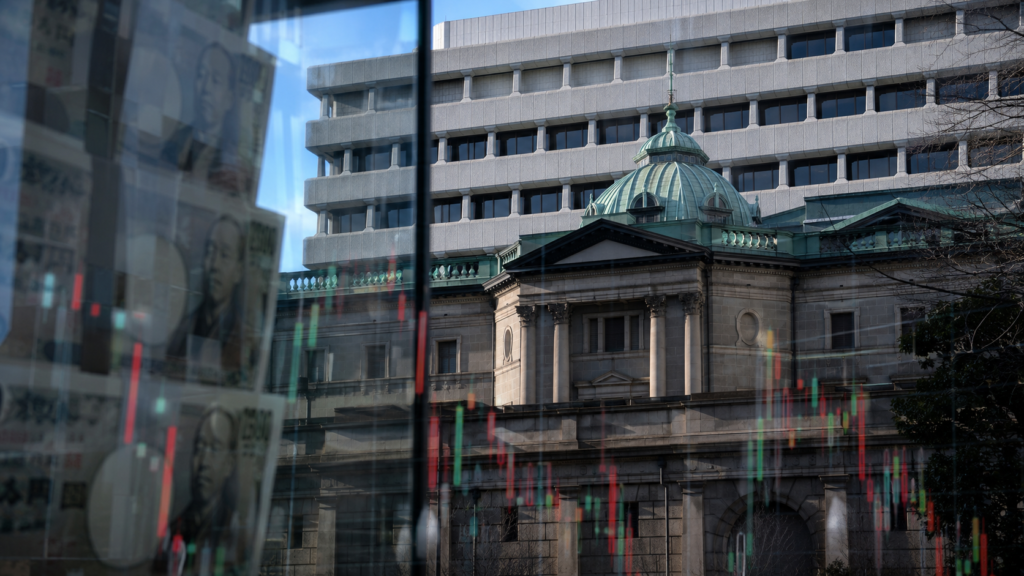
Equity markets welcomed the reduction in hostilities. Asian and European shares advanced, while Wall Street futures also rose. Airlines, manufacturers and consumer-facing companies tend to benefit when energy costs fall, while oil producers can come under pressure from a sudden decline in crude prices.
The move reflects relief rather than certainty. Investors are watching whether the pause lasts, whether shipping volumes recover and whether Washington and Tehran move toward direct or indirect negotiations. A renewed exchange of strikes could quickly reverse Monday’s market reaction.
Supply risks have not disappeared
Other disruptions continue to complicate the global energy picture. Kazakhstan’s output was cut after problems at a Black Sea export terminal, while Red Sea shipping has faced renewed pressure following attacks on Saudi energy infrastructure. Those risks mean the oil market is likely to remain volatile even if the U.S.–Iran pause holds.
For households and businesses, lower crude prices may eventually reduce fuel and transport costs, but retail prices do not always move immediately. Currency movements, taxes, refining margins and local supply conditions also influence what consumers pay.
What happens next
The next major signals will come from tanker traffic through Hormuz, official statements from both governments and evidence of any diplomatic channel. Markets will also monitor whether either side attaches new conditions to the pause.
For now, Monday’s reaction shows how quickly geopolitical risk can move both oil and stocks. The rally is a vote of cautious confidence, not a declaration that the crisis is over.
Sources: Reuters energy report and Reuters global markets report. This article is an original Scandle Wire summary and analysis.