
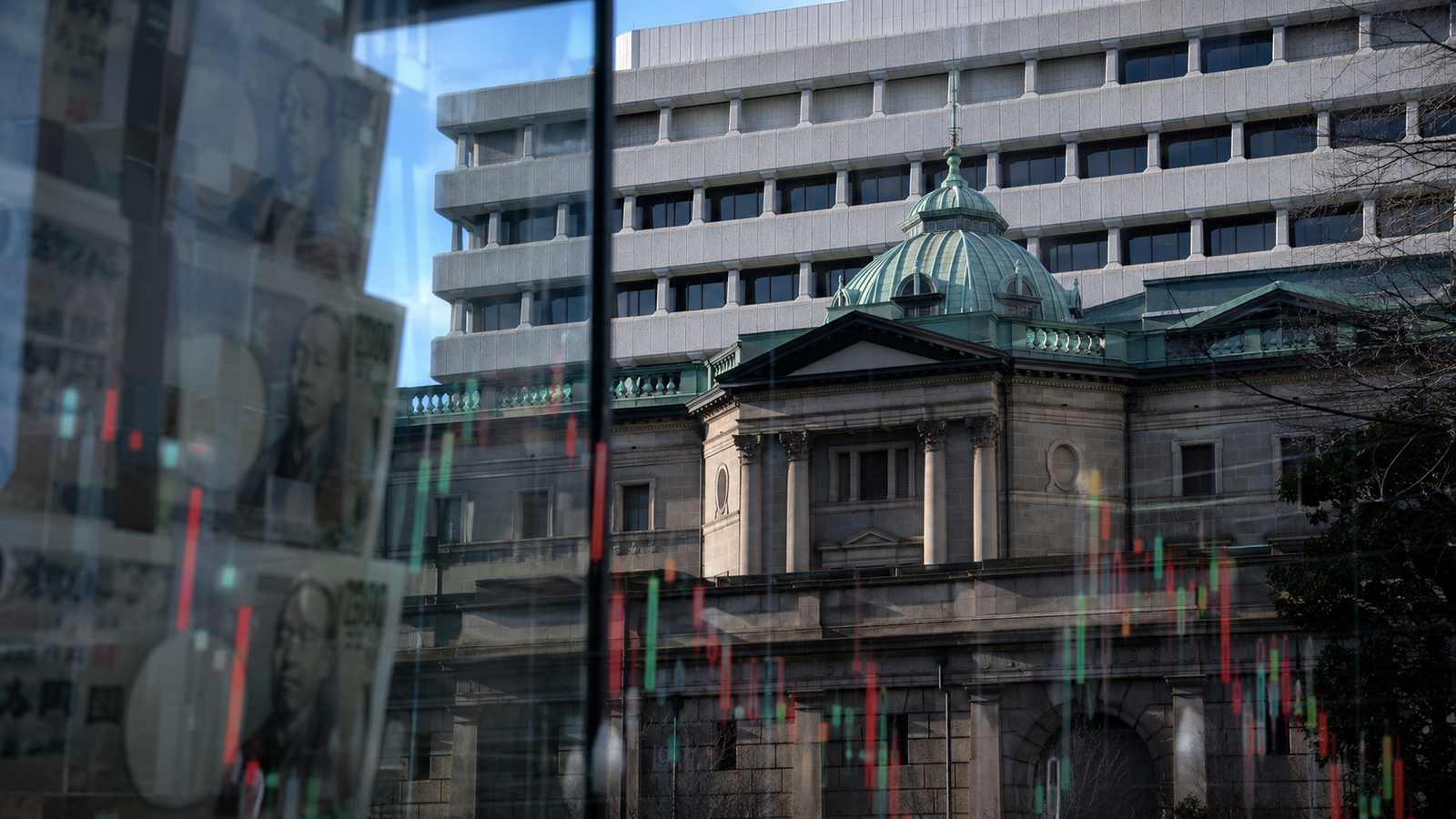
The Bank of Japan has kept its short-term policy interest rate unchanged at 1%, while sharpening its warning that inflation pressures could require additional increases in borrowing costs.
An 8–1 decision
The decision followed a two-day policy meeting and was approved by an 8–1 vote. Board member Hajime Takata dissented, favouring an immediate increase to 1.25%. The split shows that at least one policymaker believes the risk of waiting now exceeds the risk of tightening further.
The 1% rate already represents a major shift from Japan’s long period of exceptionally loose monetary policy. The central bank is attempting to normalise rates without destabilising growth, government-bond markets or heavily indebted households and businesses.
Inflation and the weak yen
Governor Kazuo Ueda said policymakers are paying closer attention to upside inflation risks and to medium- and long-term expectations. A weak yen increases the local cost of imported fuel, food and raw materials, potentially spreading price pressures through the wider economy.
The currency remained under pressure even after unusual coordinated intervention involving Japanese and U.S. authorities. Analysts generally view intervention as capable of producing a short-term move, but not a lasting recovery unless underlying interest-rate expectations change.
What markets expect next
Many economists expect the BOJ to raise the policy rate to 1.25% before the end of 2026. Ueda did not promise a specific timetable, but said the central bank could accelerate increases if monetary conditions prove too loose and inflation continues to strengthen.
The next decision will depend on wage growth, consumer prices, currency movements and global demand. Strong investment connected to artificial intelligence has supported parts of Japan’s economy, while higher import costs create a more difficult backdrop for consumers.